Skip links

Partnerships

BUND BRIDGE & GARDEN

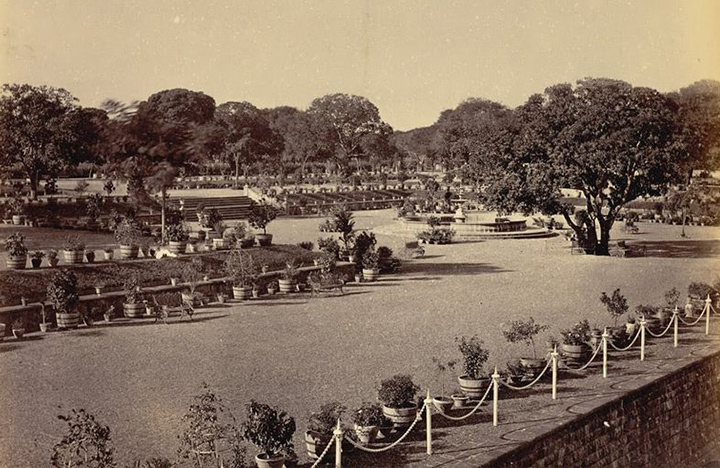
Built in 1869 and funded by philanthropist Jamsetjee Jejeebhoy, the Fitzgerald bridge was designed by Captain Robert Sellon and constructed by the Royal Engineers. Its 13 spandrel arches provided both flood control and irrigation for underserved communities.

Adjacent to the bridge, the Bund Garden, planned by Colonel Sellon, transformed a neglected river edge into a public green space, now known as Mahatma Gandhi Udyan. Once lined with ghats, temples, and Medici lion sculptures, the site became a vibrant hub for rituals, leisure, and recreation. Today, the bridge is a Grade II Heritage Site.

Under The Heritage Project’s revival plans, this stretch will be reimagined as an event-ready, illuminated riverside promenade. Interventions will include seating, heritage lighting with lamp posts and in-ground illumination, interpretive signages, revived planter beds, and experience collaterals, bringing new life to this once-celebrated riverfront while staying rooted in its historic significance.

The Heritage Project x Kala Ghoda Arts Festival

To mark the 25th edition of the Kala Ghoda Arts Festival, The Heritage Project and RPG Foundation, in collaboration with the Kala Ghoda Association, curated a rich heritage experience celebrating Mumbai’s historic neighbourhoods.

We designed three detailed informational maps, Kala Ghoda, Ballard Estate, and Bora Bazaar, spotlighting key landmarks, stories, and architectural highlights across these iconic precincts.

Festival-goers also explored the city’s layered history through immersive heritage walks at Ballard Estate, Mumbai’s first commercial district, and Bora Bazaar, a vibrant native town that has flourished since the colonial era.

Adding to the celebration, the Pehlay Akshar Foundation staged a lively musical play inspired by the adventures of BMC schoolchildren, followed by a spirited performance by a children’s band, bringing joy, imagination, and local storytelling to the heart of the festival.

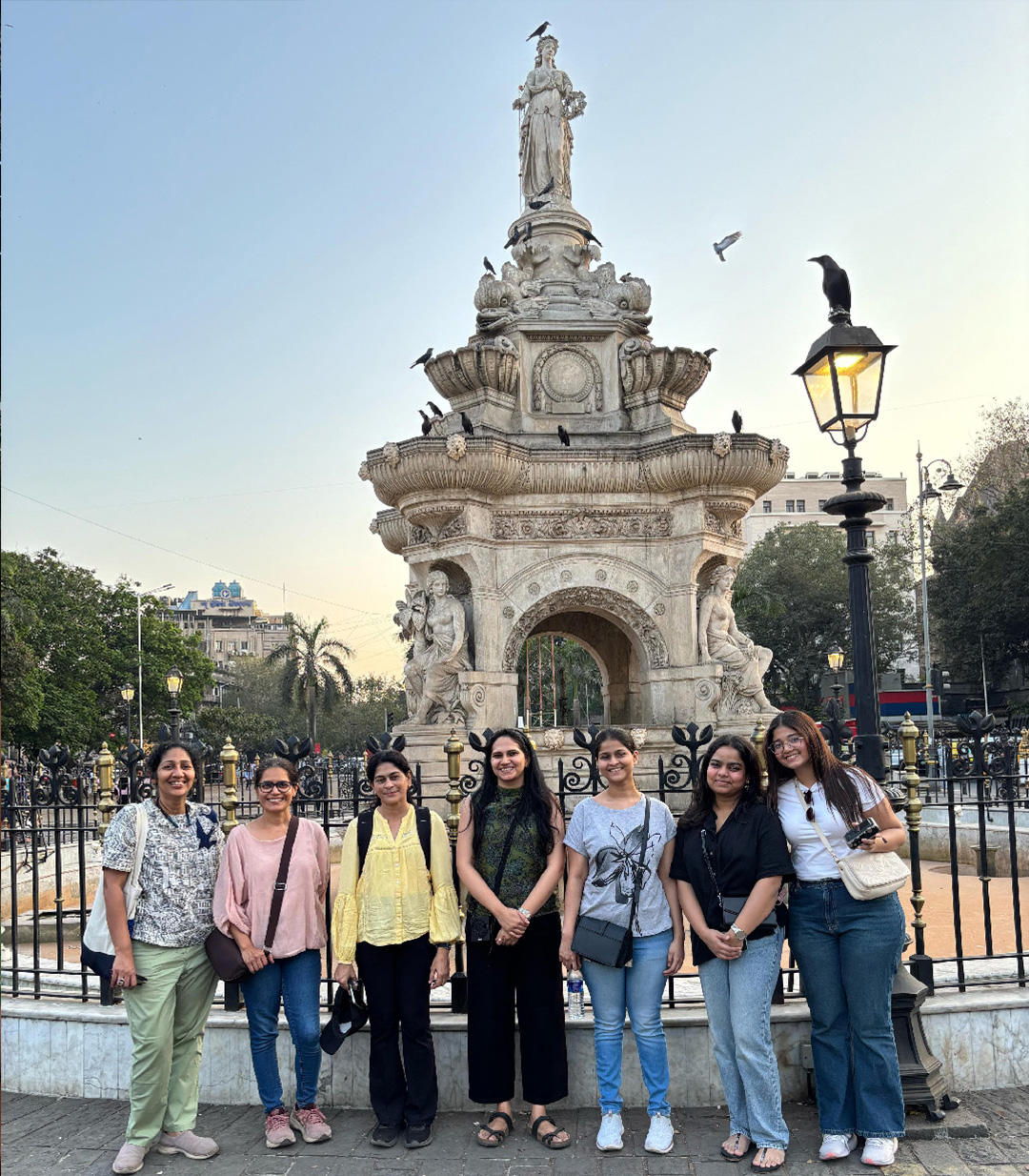
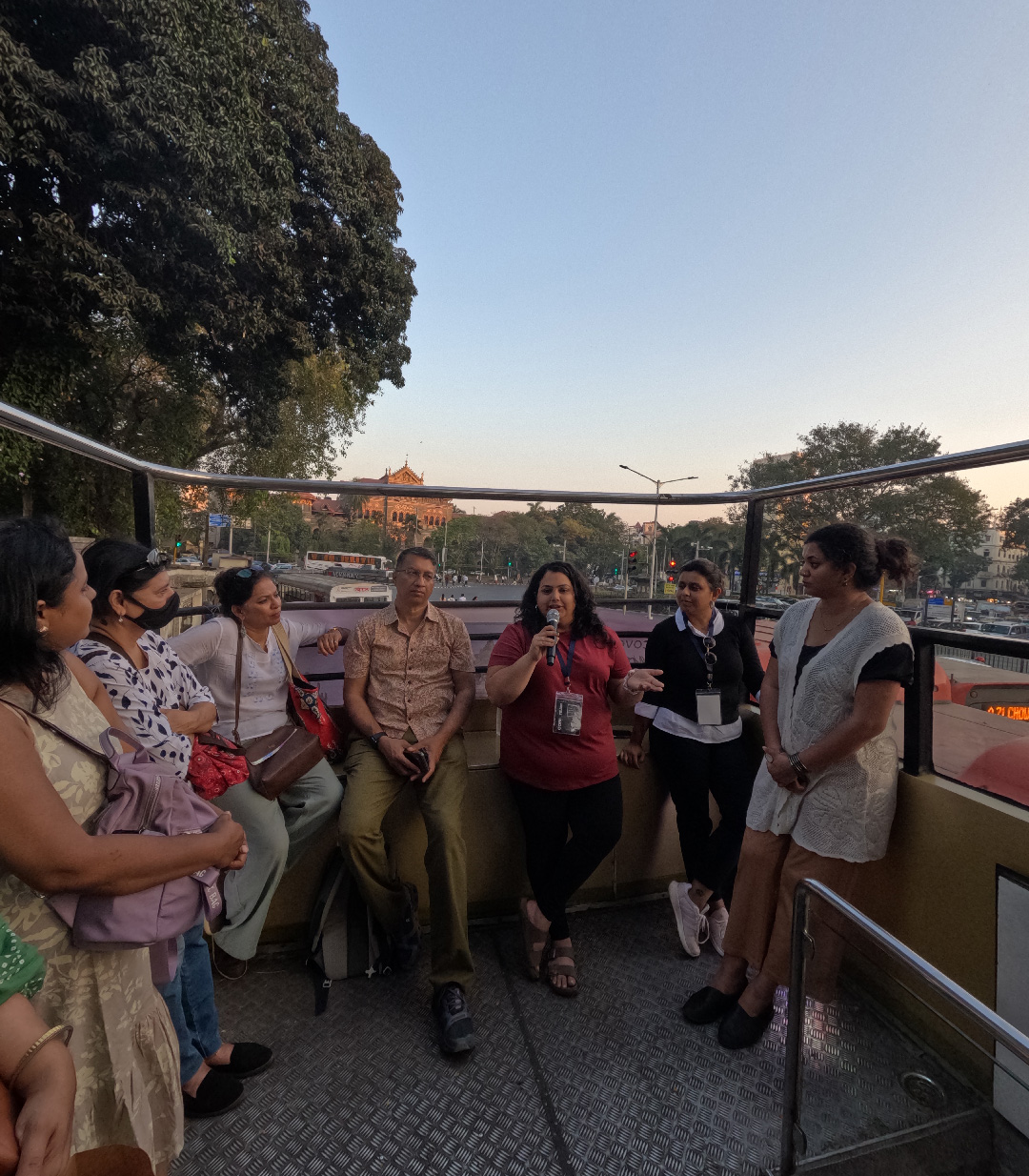
Our guided heritage tours through Ballard Estate and Bora Bazaar, plus a scenic Heritage Bus Tour around Fort, immersed participants in our city’s rich legacy. It was a delightful journey through time that showcased iconic sites and captivating stories.

The festival sizzled with flavour!

The Koli Food Truck at Rampart Row served up authentic local cuisine, while “The Koli Catch” masterclass at YWCA Hall offered an exclusive taste of Mumbai’s culinary heritage, revealing secret recipes and inspiring culinary creativity.

In a passionate nod to our cultural landmarks, we restored the iconic steps on Rampart Row and launched a greening project around the cherished Kala Ghoda statue. These initiatives transformed public spaces into vibrant community hubs, reflecting our commitment to preservation and sustainable future.

The Heritage Project x Mumbai Port Trust (MbPT)

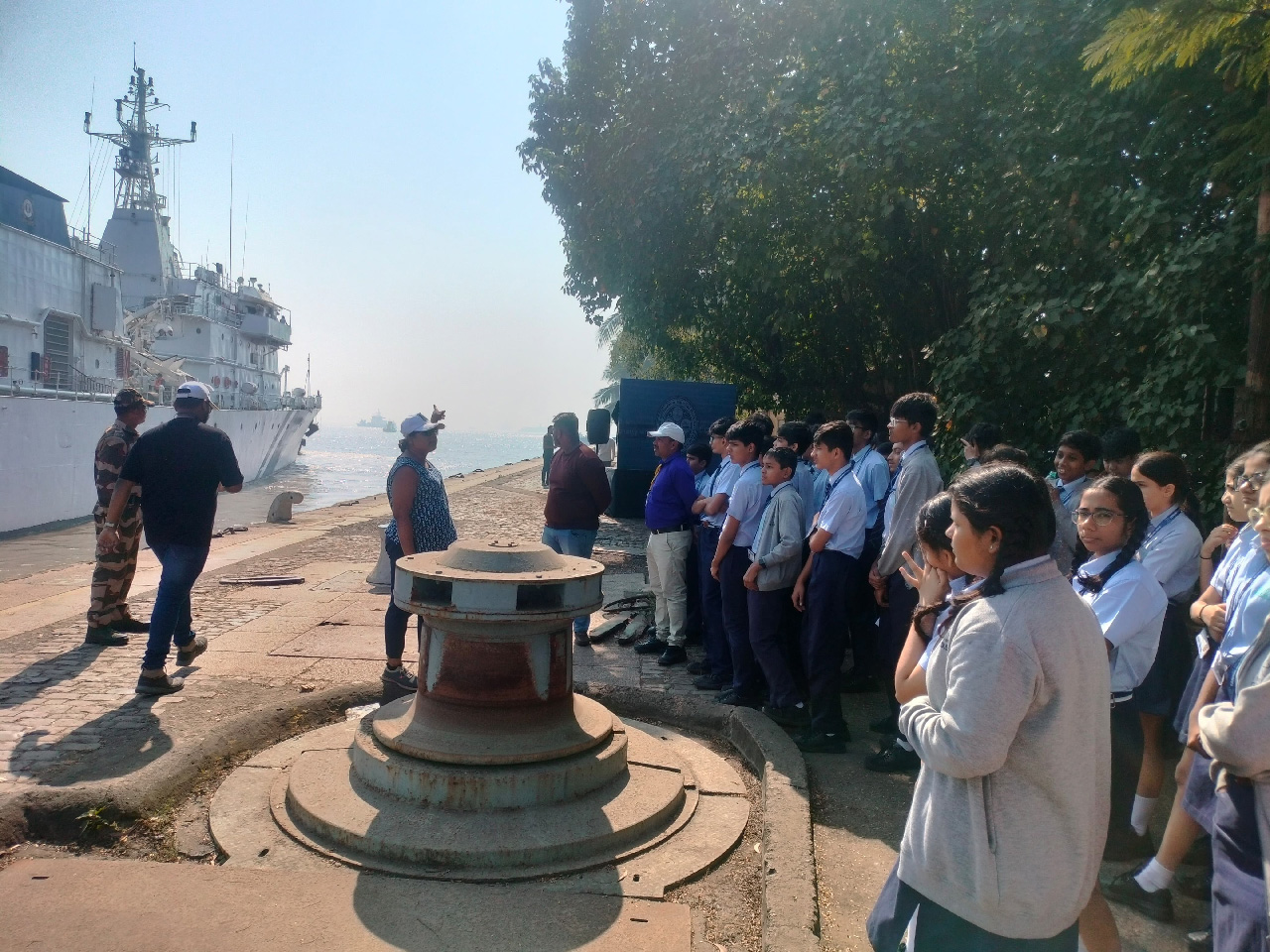
The Heritage Project (THP), in collaboration with the Mumbai Port Authority (MbPA), provided the public with a rare opportunity to explore India’s rich maritime heritage through a guided tour of the Mumbai Port. This marked the first time the port opened its doors to the public. 

Led by experts from THP and port officials, the tour took participants on a journey through the port’s past, present, and future, highlighting its pivotal role in Mumbai’s maritime evolution. The tour, held from December 14–20, attracted over 1,800 participants, offering them a firsthand look at port operations and functionality.

THE GREEN CORRIDOR

In collaboration with nature:re

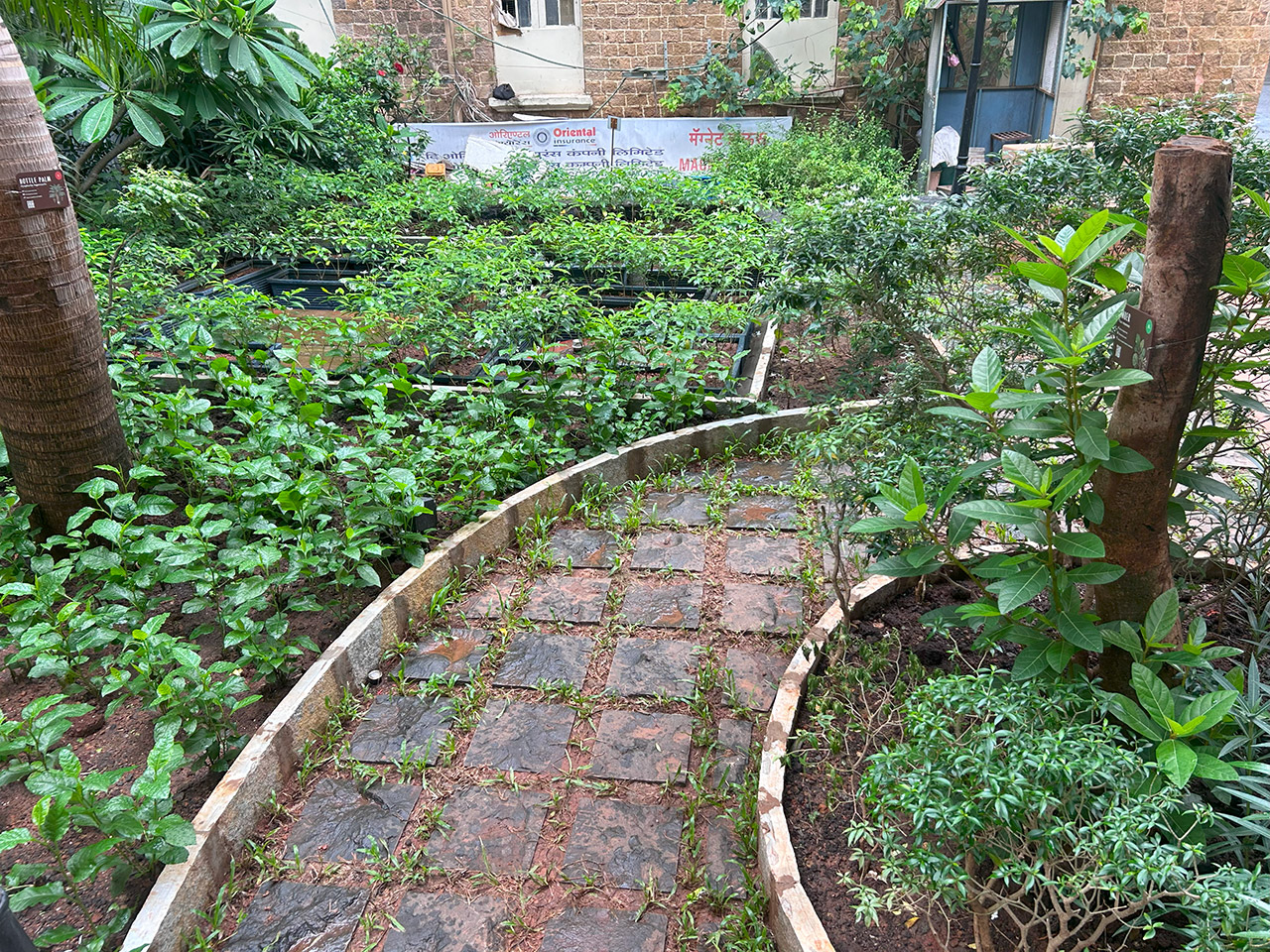
The Heritage Project is working closely with nature:re, an NGO in the space of environment to help them realise the vision of the Green Corridor in Mumbai and beyond. Creating stepping stone habitats using an ideal plantation ratio of 70% native species and 30% exotics each open space that has been revived stands unique with its requirements of infrastructure, accessibility and sustenance.

Our holistic approach for these projects involves architectural layouts planning routes, infrastructure such as seating, pathways, illumination, planter beds, and larger site planning such as drainage, slope stabilisation, universal accessibility and much more. Selection of material palettes using natural, local material such as bamboo, natural stone like Kota, Basalt and sandstone, stone crete and mud paths- is planned basis the site, its terrain, location and other environmental factors.

Creating awareness through QR Coded signage for plants, plantation zones and the site itself is also a part of the overall design. Use of corten steel, wooden logs from chopped trees, and stone have been explored in these projects. 

We have collaboratively completed projects such as The Nest at Malabar Hill and The Nest at Mahalakshmi at Mumbai, Udaan Biodiversity Park at Pune, Gardens at the Ballard Estate Mumbai and much more.

Signages for Mumbai’s World Heritage Site

in collaboration with UNESCO

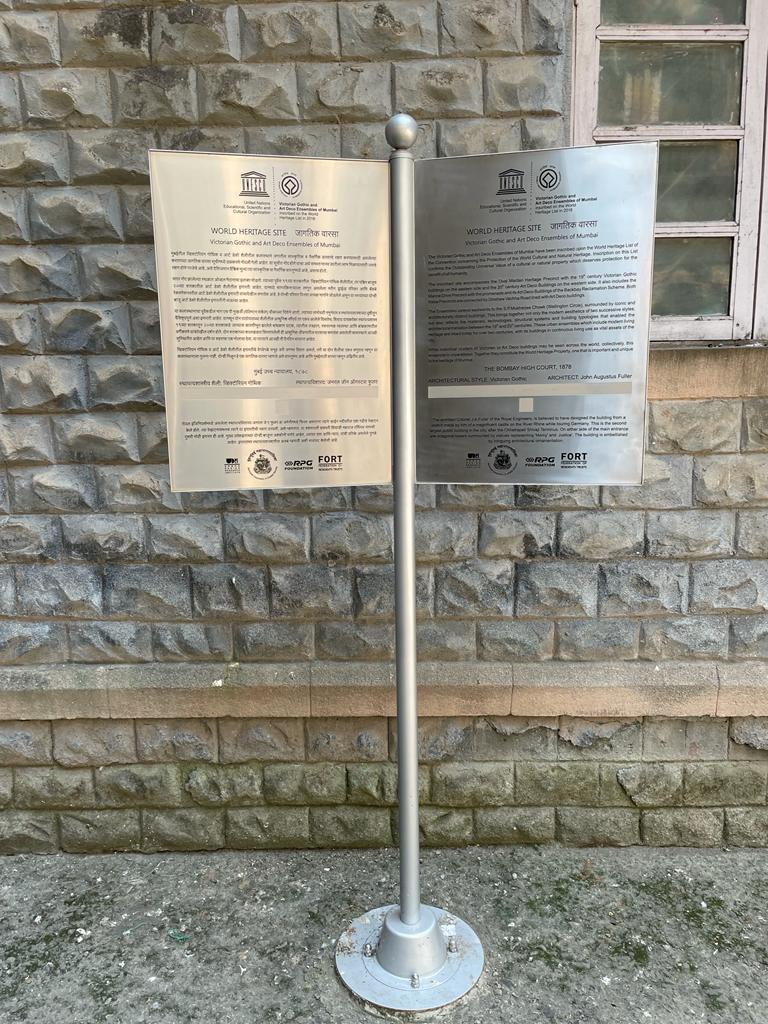
The Heritage Project, in partnership with the Urban Design Research Institute (UDRI), in 2018, funded and executed a signage plan for 94 landmark buildings in South Mumbai’s Fort precinct, part of the city’s UNESCO World Heritage Site.

Showcasing Mumbai’s distinctive Victorian Gothic and Art Deco architecture, 206 signages were installed to guide visitors, build public awareness, and foster civic pride. The project was implemented in collaboration with the Brihanmumbai Municipal Corporation (BMC) and the Federation of Residents Trust (FORT).