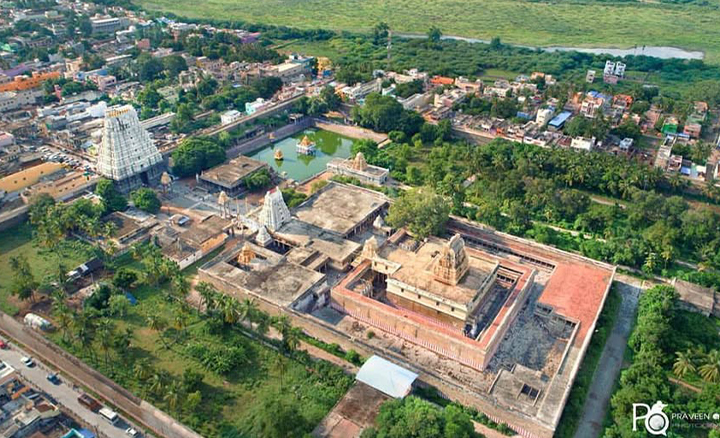



Wadas are to Pune what Havelis are to Rajasthan and Temple Streets are to Madurai. Walk through the alleys of old Pune, and chances are you will stumble upon a hidden door, a carved wooden balcony, or a worn-out stone arch that whispers of a bygone era. These are the city’s wadas—sprawling mansions with courtyards at their heart and stories in every brick. More than just architecture, wadas are Pune’s soul tucked away in lanes of Sadashiw Peth, Narayan Peth, Kasba Peth and beyond.
The story of the wada starts in the 1700s, when Pune was the epicentre of the Maratha Empire. As power shifted here under the Peshwas, noblemen, warriors, and merchants began building homes that were grand, practical, and deeply rooted in the Maharashtrian way of life. A wada is not just one big house, it is a whole world inside walls. They are fragments of a city’s evolving identity. Built during the Maratha era, these courtyard homes once defined the rhythm of daily life, blending function with quiet elegance.
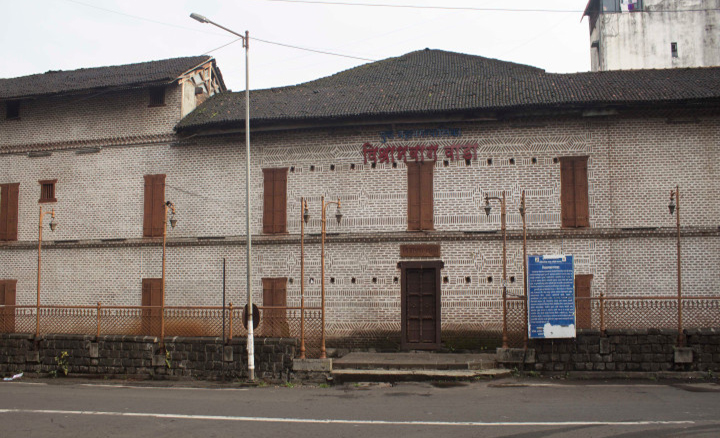
The wada became a go-to housing style in Pune for good reason. Its layout followed principles from Vastushastra, the ancient Indian guide to architecture, which emphasized balance and flow. Every wada revolves around a central chowk (courtyard). It’s the heart of the home — a place for, hosting guests, or catching a breeze on hot afternoons. Rooms are arranged around the courtyard in layers — private spaces tucked deeper inside, public areas closer to the entrance. Teak pillars, carved brackets, and ornate balconies are not just aesthetically pleasing but they are engineered to handle monsoons and keep interiors cool. Thick stone walls and lime plaster keep the heat out and the charm in. No AC needed — just smart design powered by nature’s wisdom. Some wadas even had hidden staircases and peeping balconies (jharokas), perfect for watching the world without being seen.
Most wadas had a central courtyard, but the number of courtyards made a big difference — single-courtyard homes offered less privacy, especially for women, while double or triple courtyard wadas created more separation between public and private areas. Since meetings and interactions with outsiders usually happened in rooms facing the courtyard, the line between home life and social life was thin, making wada a space where everything happened under one roof, quite literally.
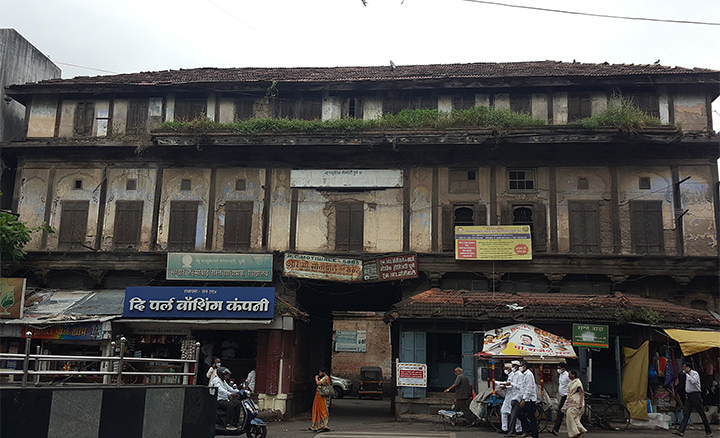
Most Pune wadas were built along main roads for visibility and efficient urban planning, forming a compact, walkable city core. They featured large double-flap entrances with a smaller Dindi Darwaja for daily use, and decorative elements like carved brackets, lion or Garuda-shaped seats, and elephant-back canopies. Elite wadas had temples and ornate facades, while commoners’ homes were modest and functional. Over time, cast iron replaced wood, multi-foliated arches became popular, and windows were designed for privacy and ventilation. Compared to the elaborate havelis of Rajasthan or Gujarat, Marathi wadas were simpler, yet deeply rooted in proportion, purpose, and cultural identity.
Pune’s wadas offer a vivid glimpse into its layered history — from the iconic Shaniwar Wada, originally a seven-storeyed fortress built by Peshwa Bajirao I and later damaged by fire, to Vishrambaug Wada, the elegant residence of Bajirao II. Shaniwar Wada’s Ganesh Darwaja is named after a shrine once located inside, highlighting how even gateways reflected religious intent. Nana Wada, associated with statesman Nana Phadnavis, and Kesari Wada, where Lokmanya Tilak ran his nationalist publications, also stand out.

Among the lesser known yet culturally rich examples are Purandare Wada, Raste Wada, Mujumdar Wada, and Phadke Wada, each reflecting the city’s architectural ethos. Notably, Bhide Wada in Pune is the historic site where Savitribai Phule and Jyotirao Phule started India’s first school for girls in 1848. It stands as a symbol of progressive education and women’s empowerment. Together, these wadas, whether grand or modest, embody Pune’s unique blend of tradition, reform, and urban evolution.
After the fall of the Peshwas in 1818, wadas in Pune underwent a gradual transformation—both in function and form. Once bustling centres of political and familial power, these structures lost their administrative significance and became primarily residential. Large courtyards and ornate woodwork gave way to simpler, scaled-down designs influenced by British aesthetics—cast-iron railings, glass windows, and Gothic arches quietly entered the picture. Economic shifts and colonial land reforms led to fragmentation; joint families gave way to nuclear ones, and many wadas were subdivided into tenements or chawls, often compromising the original layout. Yet, amid these changes, wadas adapted—some were repurposed as schools, offices, or rental spaces. Though no longer symbols of Maratha power, they remained culturally rooted, evolving into silent storytellers of a city caught between tradition and transformation.
Preserving wadas today is crucial because they offer smart, sustainable design and a strong sense of community—something modern urban living often lacks. Their thick walls and courtyards naturally regulate temperature, making them eco-friendly. Wadas also carry cultural memory, showcasing local craftsmanship, rituals, and social life. Rather than freezing them in time, adaptive reuse as cultural spaces, museums, or homes can keep them relevant. In saving wadas, we are not just protecting old buildings—we are preserving identity, tradition, and timeless ways of living.